Disneyland vs. WDW: Exploring Their Iconic Park Slogans
The magic of Disney extends far beyond its beloved characters and thrilling rides; it's intricately woven into the very fabric of its branding, particularly through its iconic park slogans. For decades, these memorable phrases have not only captured the essence of each destination but have also shaped guest expectations and fostered a deep emotional connection. While both Disneyland Resort in California and Walt Disney World Resort in Florida stand as global entertainment titans, their foundational mottos reveal nuanced differences in their legacies and ambitions, showcasing the power of a well-crafted
disney slogan.
The Enduring Charm of "The Happiest Place on Earth" at Disneyland
Disneyland, Walt Disney's original theme park, opened its gates in 1955 with a promise: to be "The Happiest Place on Earth." This slogan is more than just a marketing phrase; it's a declaration of purpose, deeply rooted in Walt Disney's personal vision for a place where families could create joyous memories together. Located in Anaheim, California, Disneyland was a pioneering venture, a physical manifestation of Walt's dream to bring his animated stories to life in an immersive environment.
The enduring power of "The Happiest Place on Earth" lies in its simplicity and universal appeal. It speaks directly to fundamental human desires: joy, escape, and wonder. For countless visitors, Disneyland lives up to this promise, offering a retreat from the everyday where imagination reigns supreme. This slogan conjures images of unbridled smiles, classic attractions, and the nostalgic warmth of childhood dreams realized. It connects deeply with the park's history as the first, the place where it all began, fostering a sense of cherished tradition and pure, unadulterated happiness. Even today, the phrase immediately evokes the quaint charm of Main Street, U.S.A., the whimsy of Fantasyland, and the pioneering spirit of Frontierland, all designed to deliver that quintessential feeling of happiness.
Walt Disney World: Embracing "The Most Magical Place on Earth"
Across the continent, Walt Disney World Resort in Florida, a much larger and later development, adopted a slightly different, yet equally evocative, primary slogan: "The Most Magical Place on Earth." While Disneyland focused on "happiness," WDW sought to encompass a grander, more expansive sense of wonder and enchantment. This distinction is subtle but significant, reflecting the sheer scale and diverse offerings of the Florida resort, which includes four theme parks, two water parks, and numerous resorts.
The slogan "The Most Magical Place on Earth" resonates with the awe-inspiring experience of stepping into Walt Disney World. Here, "magic" implies transformation, enchantment, and the feeling that anything is possible. It speaks to the intricate storytelling, advanced animatronics, and grand theatricality that characterize parks like the Magic Kingdom, Epcot, Hollywood Studios, and Animal Kingdom. While often primarily associated with the Magic Kingdom, the sentiment of magic extends across the entire sprawling resort. Another prominent
disney slogan associated with WDW, particularly in its earlier days, was "Where Dreams Come True," further emphasizing the aspirational and transformative nature of the visit.
The choice of "magical" for WDW could be seen as an evolution of Walt's original vision, expanded to match the scope of this ambitious "vacation kingdom." It's a place not just to *be* happy, but to *experience* magic in a profound and unforgettable way, suggesting a higher level of immersion and fantasy. While some might argue the slogans are interchangeable, the slight difference in emphasis helps to define the unique character of each resort: Disneyland, the intimate, original source of joy; Walt Disney World, the vast, expansive realm of magic.
The Power of a Disney Slogan: More Than Just Words
Beyond the iconic park mottos, the strategic use of a
disney slogan has been a cornerstone of the company's branding for decades, extending from its early animation studios to its global entertainment empire. These phrases are carefully crafted to resonate with specific audiences, differentiate products, and reinforce core brand values, demonstrating a sophisticated understanding of consumer psychology.
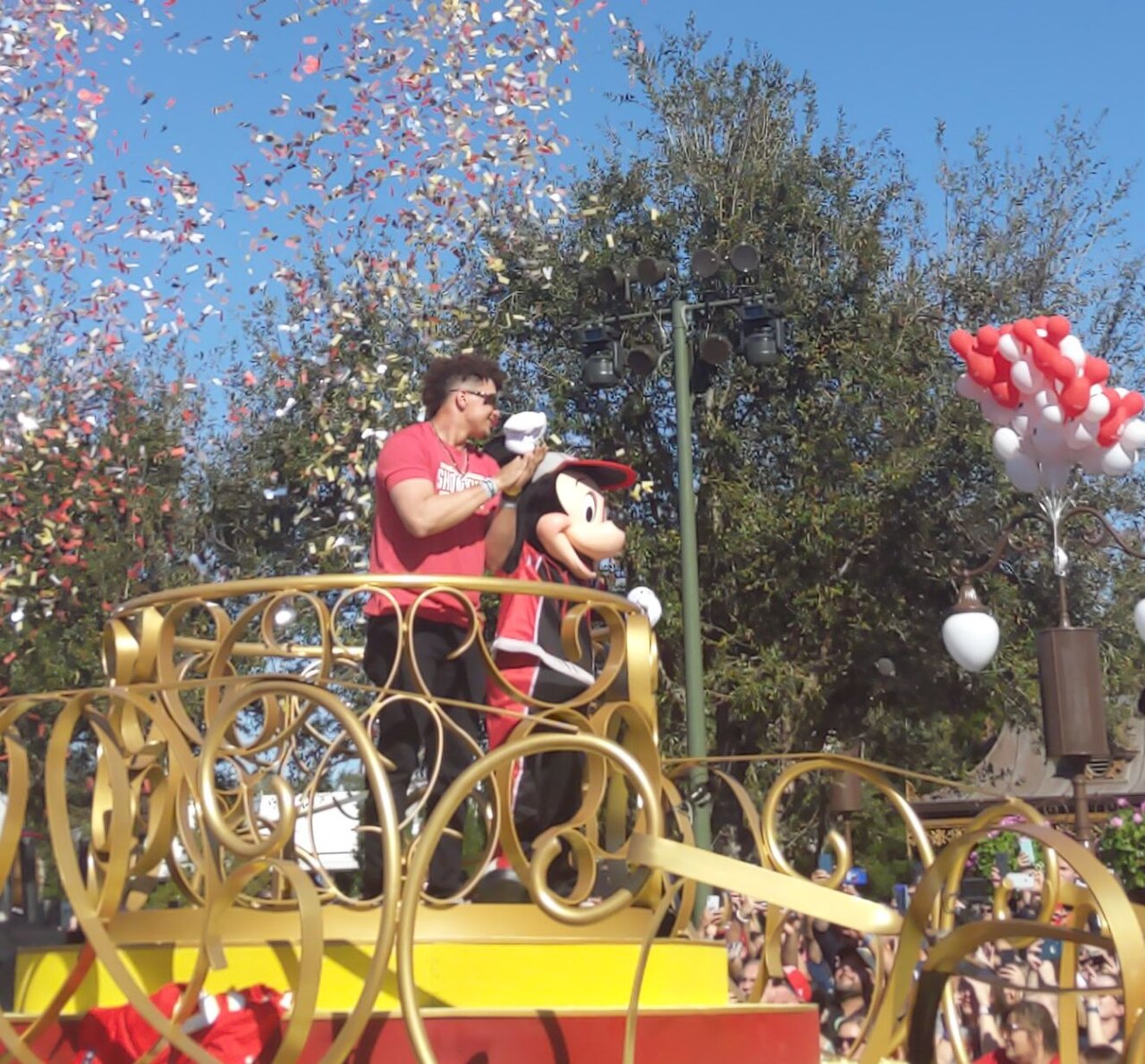
Consider the early corporate slogan "Our," which fostered a sense of community around Disney's burgeoning content library, including hits like "Kids Incorporated." This collective ownership helped solidify Disney's place in American households during a period of rapid cable expansion. Later, the globally recognized "I'm Going to Disney World!" campaign, sparked by a casual conversation Michael Eisner's wife Jane overheard, became an advertising phenomenon. Debuting with Super Bowl XXI MVP Phil Simms, this phrase transcended mere advertising, becoming a cultural touchstone representing aspiration and triumph, even echoed by troops returning from the Gulf War.
Disney's Animal Kingdom launched with the distinctive tagline, "Nahtazu," a phonetic play on "Not a Zoo." This clever
disney slogan was born from Lead Imagineer Joe Rohde's insistence on emphasizing conservation and distinguishing the park from traditional animal exhibits. It served as a clear differentiator, addressing public perception and reinforcing the park's unique mission.
The millennium saw Disney Channel target a new generation with a slogan aimed at Millennials, accompanying breakout shows like "Lizzie McGuire" and "That's So Raven." This strategic pivot towards tween-focused content was accompanied by branding that resonated with younger audiences, creating merchandise-ready personalities. Similarly, "Made Just For You" accompanied the massive success of "High School Musical," appealing directly to consumers seeking content tailored to their experiences.
A globally unified
disney slogan also emerged with "Year of a Million Dreams" campaign, adopted by Disney Parks worldwide. This phrase replaced location-specific messaging on park gates, aligning with CEO Bob Iger's vision for international expansion and coinciding with the opening of Hong Kong Disneyland and the development of Shanghai Disney. This showcased Disney's ability to create a consistent, aspirational message across diverse cultures. Even during challenging economic times, brief, aspirational slogans appeared during programming transitions, aiming to forge emotional connections as television ratings declined.
As social media transformed entertainment, Disney Channel adopted "The Best Place to Be," positioning itself as a gathering place for viewers, featuring shows with future stars like Zendaya and embracing evolving social narratives, such as featuring Disney Channel's first same-sex couple on "Good Luck Charlie." This demonstrates how a
disney slogan can adapt to reflect societal changes and remain relevant. For a deeper dive into how these phrases have evolved, read
The Evolution of Disney Slogans: Branding Through the Ages.
Crafting the Magic: Behind the Scenes of Disney's Branding
The creation and implementation of a successful
disney slogan are rarely accidental. They are the result of deliberate strategy, creative insight, and a keen understanding of the market. From the simple suggestion by Michael Eisner’s wife that led to the "I'm Going to Disney World!" phenomenon, to Joe Rohde's steadfast vision for "Nahtazu," Disney understands that words have immense power.
The company consistently invests in messaging that not only captures attention but also creates a lasting emotional footprint. This involves:
- Emotional Resonance: Slogans are designed to evoke specific feelings – happiness, magic, community, aspiration.
- Differentiation: They clearly distinguish one offering from another, whether it's Animal Kingdom from a traditional zoo or Disneyland from Walt Disney World.
- Targeted Messaging: Slogans adapt to reach new demographics, from early family audiences to tweens and global visitors.
- Consistency & Adaptability: While core messages endure, new slogans emerge to address changing cultural landscapes, technological shifts, and economic realities.
- Storytelling: Each slogan contributes to the larger narrative of the Disney brand, reinforcing its values and vision.
Businesses can learn invaluable lessons from Disney's meticulous approach to branding. A strong slogan isn't just about catchy words; it's about clearly articulating your mission, connecting with your audience on an emotional level, and strategically positioning your brand in a competitive landscape. The effectiveness of a
disney slogan lies in its ability to encapsulate complex ideas into memorable, impactful phrases that transcend mere advertising. To understand the broader implications of these strategies, explore
The Strategic Impact of Disney Slogans: Shaping Culture & Brands.
Conclusion
Whether it's "The Happiest Place on Earth" at Disneyland or "The Most Magical Place on Earth" at Walt Disney World, these iconic park slogans are powerful testaments to Disney's mastery of branding. They are more than just catchy phrases; they are invitations to experience specific emotions, promises of unforgettable moments, and cornerstones of distinct brand identities. From early corporate mottos to park-specific taglines and global campaigns, every
disney slogan is a carefully constructed element in a larger strategy to inspire, entertain, and connect with audiences worldwide. These slogans continue to define not just the parks themselves, but the very essence of Disney's enduring legacy as a purveyor of dreams and happiness.