The Strategic Impact of Disney Slogans: Shaping Culture & Brands
In the bustling world of entertainment and consumer culture, few entities wield the branding power of Disney. More than just a purveyor of stories and theme parks, Disney has masterfully used language to connect with audiences, differentiate its offerings, and evolve with the times. At the heart of this linguistic mastery lies the humble yet potent Disney slogan. These concise phrases are not mere marketing taglines; they are strategic declarations that have profoundly shaped cultural perceptions, influenced consumer behavior, and underpinned critical business decisions for nearly a century. From fostering a sense of community to navigating global expansion and digital disruption, each Disney slogan tells a story of adaptation, ambition, and an unwavering commitment to magic.
The Genesis of Community and Competition
The early landscape of entertainment was a battleground for audience attention, and Disney understood the power of collective identity. As cable subscriptions surged between 1980 and 1985, creating both unprecedented opportunity and intense competitive pressure, Disney responded with branding that fostered a deep sense of belonging. The possessive phrasing, "Our," as seen in early originals like "Kids Incorporated," was a strategic move to build a community around its nascent offerings, transforming viewers from passive consumers into active participants in the Disney family. This foundational approach to community building would prove invaluable as the company expanded its reach and diversified its content.
Perhaps no Disney slogan is more instantly recognizable and culturally ingrained than the aspirational "I'm Going to Disney World!" This advertising history was famously sparked by a casual conversation. Michael Eisner's wife, Jane, suggested the campaign after hearing pilot Dick Rutan express his desire to visit Disney following his historic flight. The first commercial aired after Super Bowl XXI, featuring Giants quarterback Phil Simms, costing Disney a then-significant $75,000 for thirty seconds. This ingenious campaign transcended mere product promotion, tapping into universal themes of triumph and reward. Its cultural penetration was so profound that during the 1991 Gulf War, returning troops happily uttered the slogan to reporters, cementing its place as a symbol of achievement and joy. This slogan masterfully connected the Disney brand with peak emotional moments, creating an aspirational bond that continues to resonate today, underscoring the enduring appeal of a well-crafted
The Evolution of Disney Slogans: Branding Through the Ages.
Crafting Unique Identities: Beyond the Theme Park Gates
As Disney’s empire grew, so did the need for slogans that could articulate the unique identity of its diverse ventures. When Disney's Animal Kingdom opened on Earth Day 1998, it faced the challenge of distinguishing itself from traditional zoos. The brilliant and memorable tagline, “Nahtazu,” directly addressed this. Lead Imagineer Joe Rohde passionately insisted that the 500-acre, $800 million project prioritize conservation over mere entertainment. This slogan was not just a clever play on words; it was a powerful statement of purpose and a defensive posture. When animal welfare concerns were raised, Disney repeatedly invoked "Nahtazu," reinforcing its commitment to a different kind of animal experience, one centered on education and respect. This demonstrates how a slogan can serve as a core tenet of brand identity and even a crisis communication tool.
The dawn of the new millennium brought a significant demographic shift, and Disney strategically pivoted to target the burgeoning Millennial generation. A new slogan for the millennium accompanied breakout hits like “Lizzie McGuire” and “That’s So Raven”—the latter making history as Disney Channel’s first show to reach 100 episodes. This era marked a crucial departure from programming for all ages, giving way to content specifically focused on tweens. This shift was more than just a change in viewership; it altered Disney’s business model entirely, creating merchandise-ready personalities and franchises rather than traditional, standalone characters.
Another perfect example of consumer-centric branding arrived in 2006 with "Made Just For You," launched alongside "High School Musical." Premiering to an astounding 7.7 million viewers, the show's success under this slogan created a global phenomenon, spawning three films, international tours, ice shows, and merchandise that generated over $1 billion in revenue. This slogan directly spoke to consumers who craved content crafted specifically for their experiences and aspirations, fostering an unparalleled sense of personal connection and loyalty. It was a masterclass in understanding and responding to audience demand.
Navigating Shifting Landscapes: Global Reach & Digital Dominance
As Disney looked to expand its global footprint, a universal message became essential. Following Disneyland’s 50th anniversary, Disney Parks worldwide adopted a single, unifying slogan during their "Year of a Million Dreams" campaign. This universal phrase replaced location-specific messaging on entrance gates, symbolizing a cohesive global brand identity. This move was integral to CEO Bob Iger’s international expansion vision, coinciding with the opening of Hong Kong Disneyland and the development of Shanghai Disney. The power of a single, resonant slogan to foster global unity and excitement for a shared experience cannot be overstated, transcending linguistic and cultural barriers.
The late 2000s and early 2010s presented new challenges: economic recession and the fragmentation of audiences due to online viewing. Economic necessity often breeds brevity, and Disney responded with an abbreviated slogan that appeared briefly during programming transitions after hit shows were canceled. This concise, aspirational messaging across all platforms aimed to create an emotional connection in a time of uncertainty and declining traditional television ratings. It highlighted the need for slogans to be adaptable, succinct, and emotionally resonant in an ever-evolving media landscape.
Community continued to trump content as social media fundamentally transformed entertainment. Disney Channel launched shows featuring future stars like Zendaya under "The Best Place to Be." At a time when smartphones altered viewing habits, this slogan strategically positioned the channel not just as a source of shows, but as a gathering place for its audience, a hub for connection and shared experiences. Notably, it was featured on "Good Luck Charlie," which included Disney Channel's first same-sex couple, reflecting an evolving understanding of community and inclusivity in its branding.
While the specific wording of Disney's current century-defining slogan might still be evolving or under wraps, the company's journey from a humble cartoon studio founded by Walt and Roy Disney to a global entertainment titan underscores the continuous need for powerful, succinct messages that encapsulate its legacy and future vision. A multi-word slogan attempting to condense a century of innovation, storytelling, and cultural impact requires immense strategic thought, demonstrating the ongoing importance of the Disney slogan in its brand narrative.
Iconic Park Slogans: The Magic and Happiness
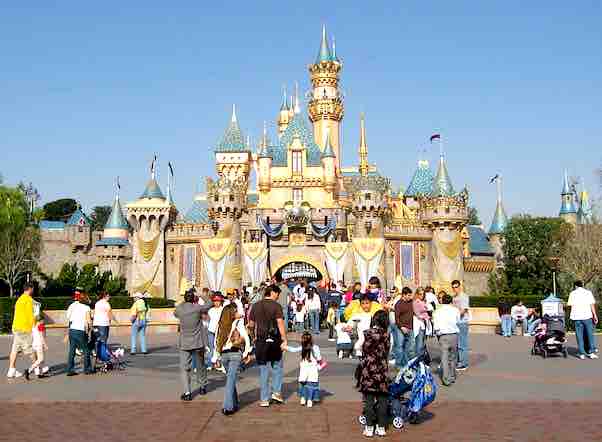
Beyond specific campaigns, Disney's theme parks themselves are defined by iconic slogans that have become synonymous with their identities. Disneyland, the original park, proudly carries the moniker, "The Happiest Place on Earth." This slogan perfectly encapsulates the park's ethos, promising unadulterated joy and a sanctuary from everyday worries.
Walt Disney World (WDW) in Florida, however, boasts its own distinct, yet complementary, slogans. Often referred to as "The Most Magical Place On Earth" or "Where Dreams Come True," WDW's branding leans into a grander, more expansive sense of wonder. While there might be some perceived interchangeability, particularly between Magic Kingdom at WDW and Disneyland, each slogan carefully carves out a unique identity. "The Most Magical Place On Earth" is often specifically associated with Walt Disney World's Magic Kingdom, emphasizing its scale and immersive fantasy, distinct from Disneyland's more intimate, historical charm. This strategic differentiation in slogans helps visitors understand the unique flavor and experience offered by each iconic destination, ensuring that each park resonates with its target audience in a distinctive way. For a deeper dive into these iconic park identities, explore
Disneyland vs. WDW: Exploring Their Iconic Park Slogans.
In essence, a Disney slogan is rarely accidental. It is a carefully engineered piece of communication designed to achieve specific strategic objectives: whether to build community, differentiate a new product, adapt to technological shifts, or unify a global brand.
Conclusion
The strategic impact of Disney slogans is undeniable. They are not merely catchy phrases but critical components of a sophisticated branding strategy that has allowed Disney to navigate monumental shifts in media, technology, and culture. From fostering early communities with "Our" to inspiring millions with "I'm Going to Disney World!," from distinguishing Animal Kingdom with "Nahtazu" to unifying global parks, each slogan has served a distinct purpose. They reflect a dynamic understanding of consumer psychology, market trends, and the enduring power of storytelling. The evolving landscape demands continuous adaptation, and Disney’s continued success lies, in part, in its masterful ability to craft slogans that resonate deeply, shaping culture and reinforcing its position as a global entertainment leader for generations to come.